

Rare Survivals of Song-Yuan Architecture in China’s Southeast Coast
Zhejiang, Fujian
The Story
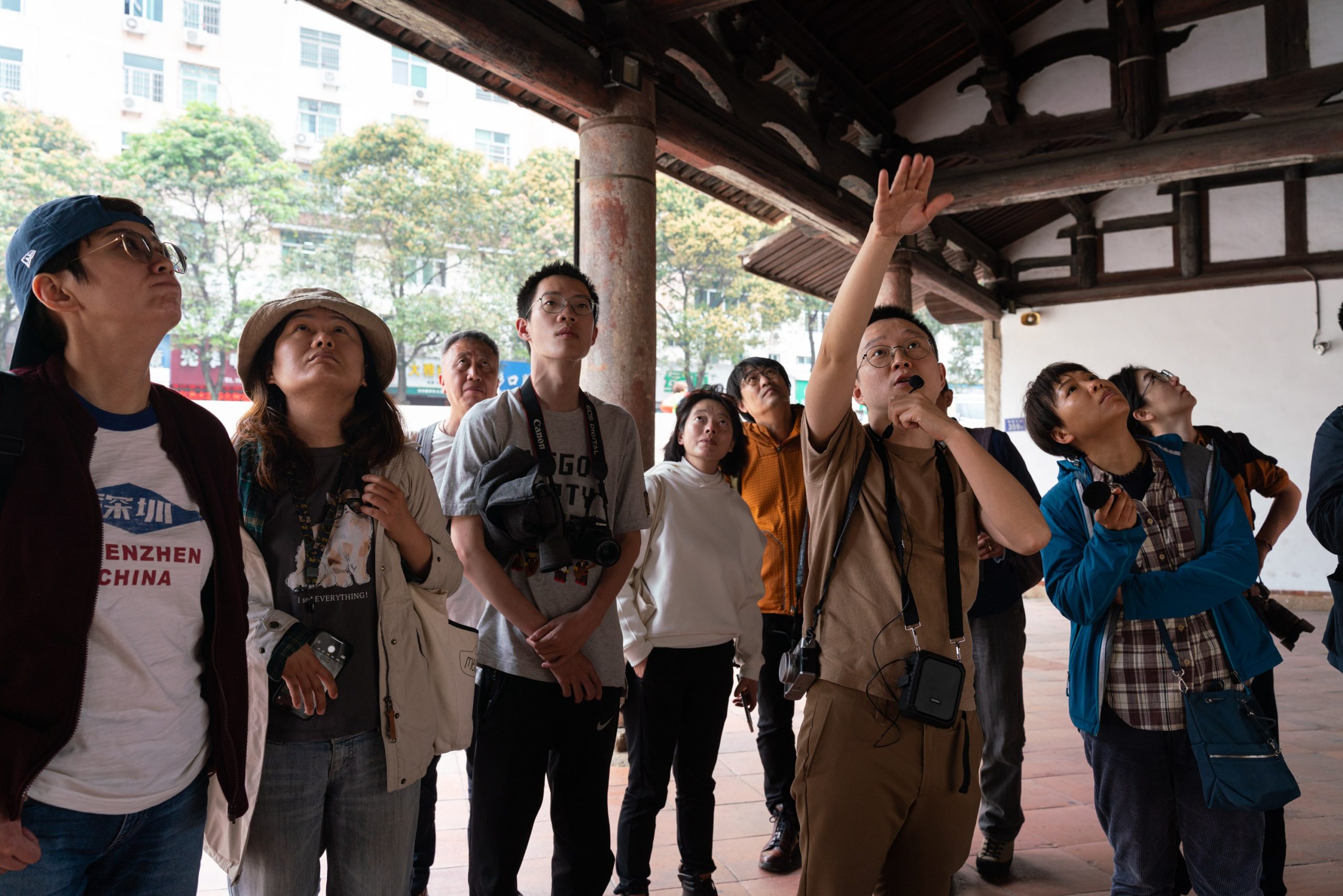
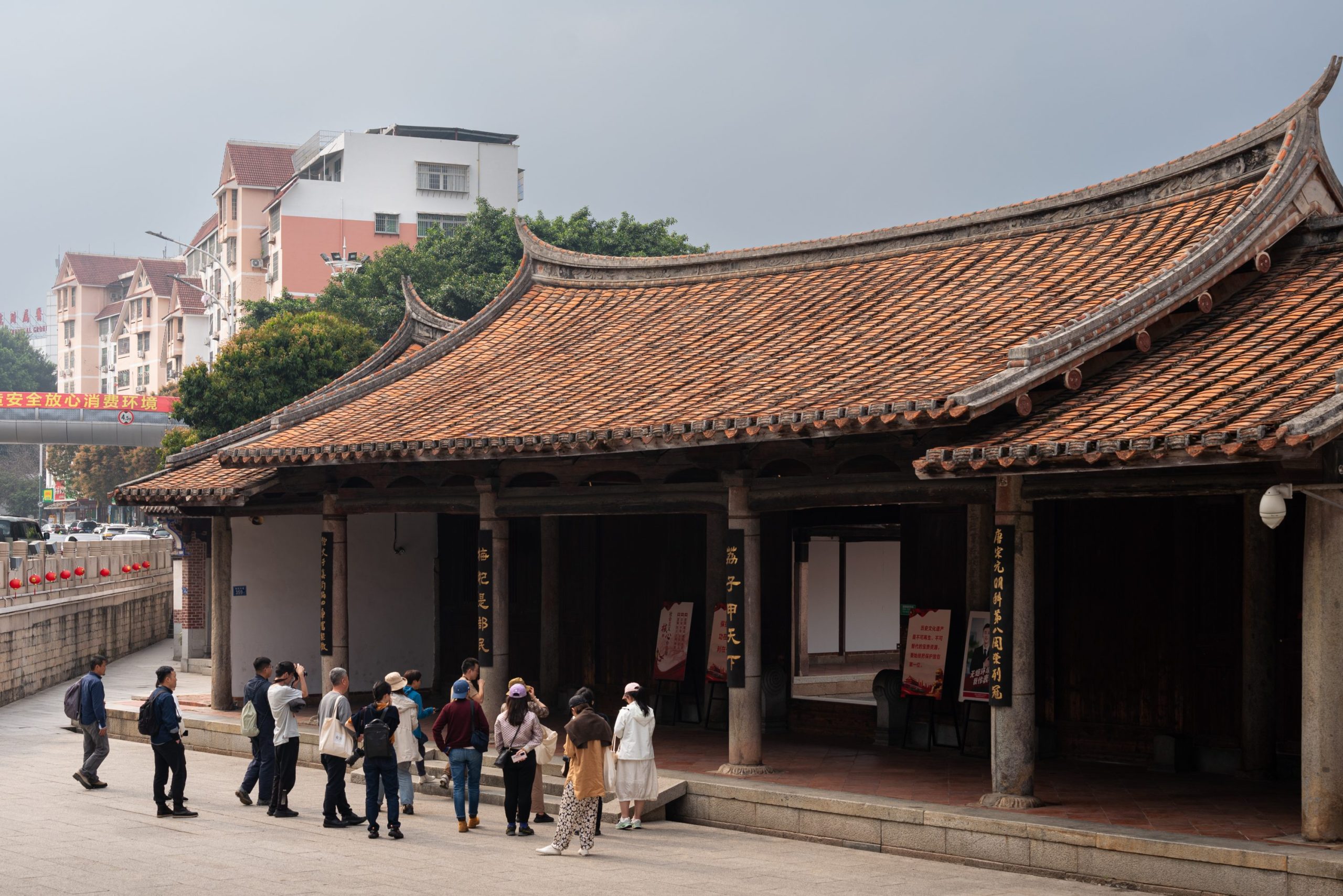
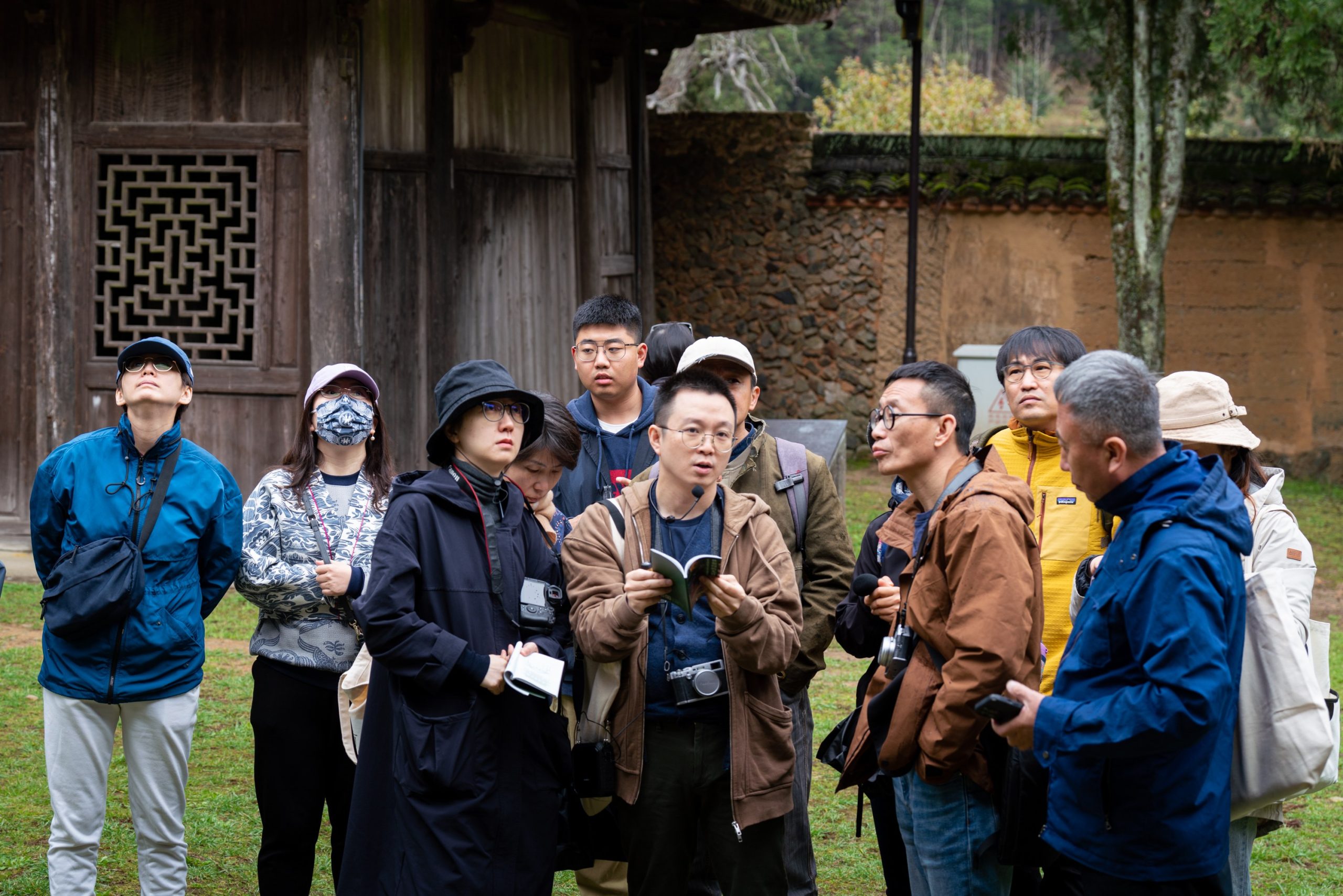
Since the late Tang Dynasty, the sophistication and abundance of temples and pagodas in Jiangnan (southern China) have remained unrivaled across the southern regions. The Yingzao Fashi (State Building Standards)—published in 1103—systematically documented numerous construction techniques originating from Jiangnan. By contrast, Fujian, despite sharing similar natural landscapes and religious traditions, developed a distinctive "archaic manner" in its architecture, owing to its relative isolation from political centers and slower stylistic evolution. This intriguing divergence—between the pioneering styles of Jiangnan and the preserved ancient character of Fujian—not only reveals two distinct architectural pathways within southern China, but also, through trade and cultural exchange, shaped architectural practices in neighboring lands, projecting their unique regional identities far beyond local boundaries.
Focusing on "construction-space-landscape", this journey will start in Hangzhou and end in Quanzhou—two cities that "sailed the world" during the Song and Yuan dynasties. We will visit some of the oldest wooden temples south of the Yangtze River and begin our explorations of architecture and culture amid forests and ravines.

Featured Projects


Fangguang Temple @POSITION
Travel Snapshots
©POSITION
©POSITION
©POSITION
Start Your Journey Now
This journey can be customized as a private tour on your preference. Similar tours usually last 5–7 days, but the length can be flexibly adjusted according to your needs.
Tell us what you are interested in, or briefly describe your destination, tentative trip date and length, and number of travelers.
We'll be in touch within 2 business days.
Other Recommendations

Canton to Cyber City: Architectural Dialogues across the Greater Bay
Guangdong | May 10 - May 15, 2026

Rus in Urbe: Garden Tours in Suzhou and Hangzhou
Jiangsu, Zhejiang | September 4 - September 8, 2026

Sacred Splendor: China's Medieval Architecture from Its Golden Age
Shanxi, Henan | October 12- October 18, 2026