
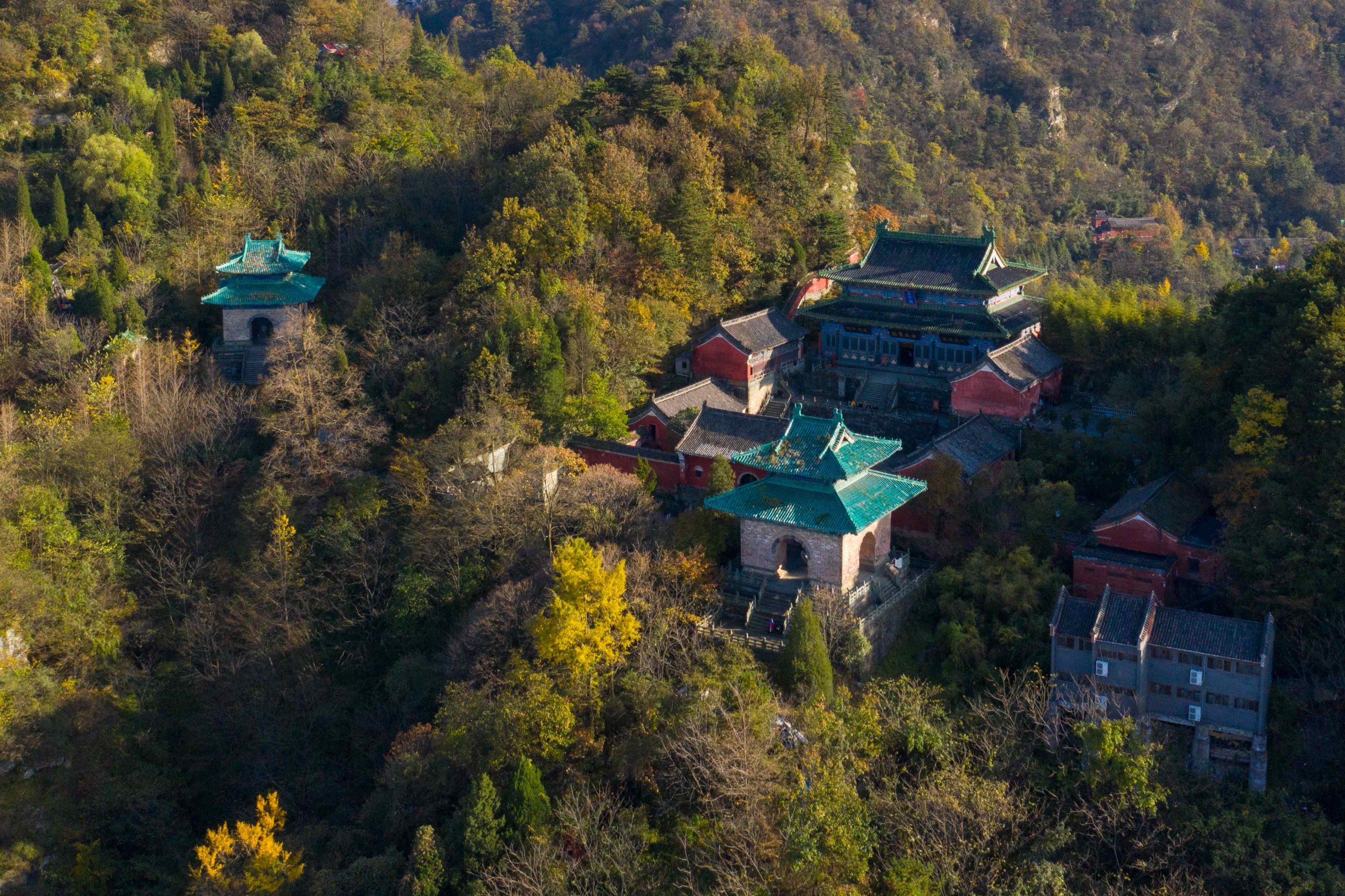
Imperial Power and Mythology: The Journey to Wudang, the Holy Mountain of the Ming Dynasty
Hubei
The Story
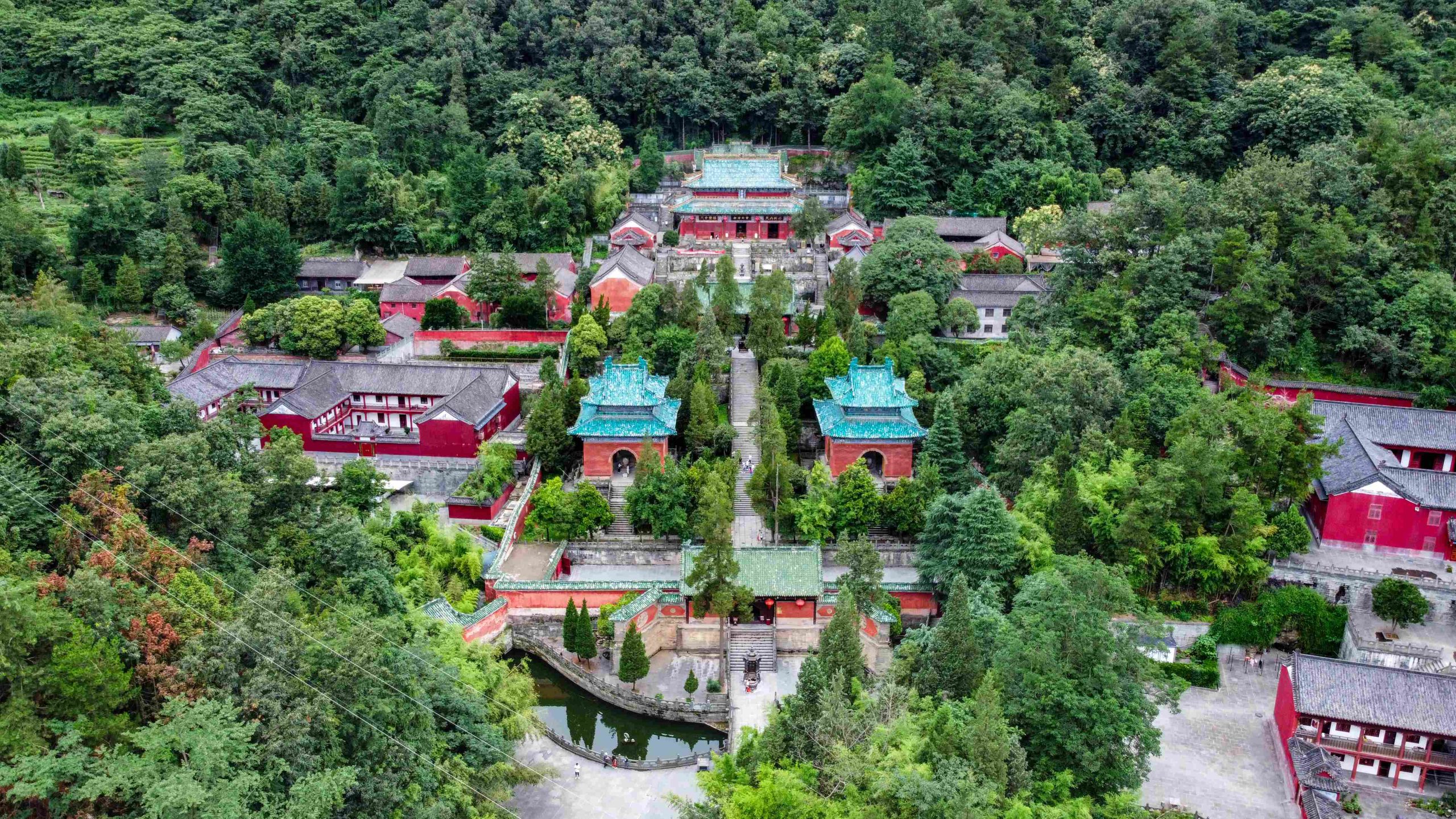
This journey delves into the UNESCO World Heritage Site-Wudang Mountain, and examines the Wudang Mountain Ming Dynasty Ancient Architectural Complex. This complex represents the pinnacle of traditional Chinese royal architecture.
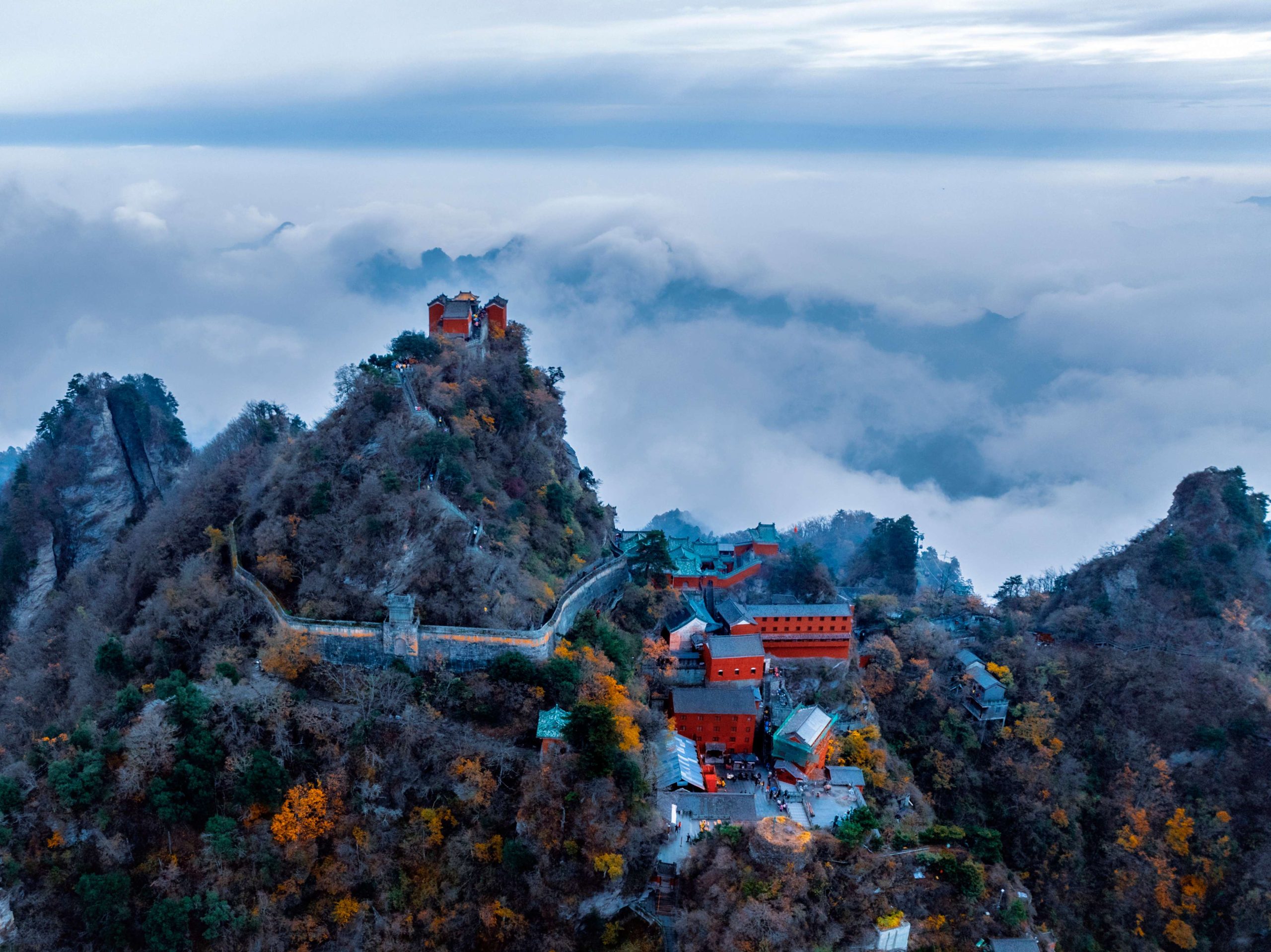
The fusion of imperial power and Taoism at Wudang Mountain resulted in the world's largest royal garden. During the Ming Dynasty under Emperor Yongle, Wudang Mountain received significant attention from the imperial court and became the largest national project.
Compared to the distant Ming sites in Beijing, Nanjing, and Fengyang, Wudang's Ming-era heritage is more concentrated, intact, and richly layered. Although only one original timber structure survives in Wudang today—the Liangyi Hall of Nanyan Palace—along with the partially restored Purple Heaven Hall of Zixiao Palace, the preservation of its masonry, glazed ceramics, and metalwork remains remarkably comprehensive in both scale and grandeur. The imperial ambition embodied in these structures even surpasses that of the Beijing Forbidden City.
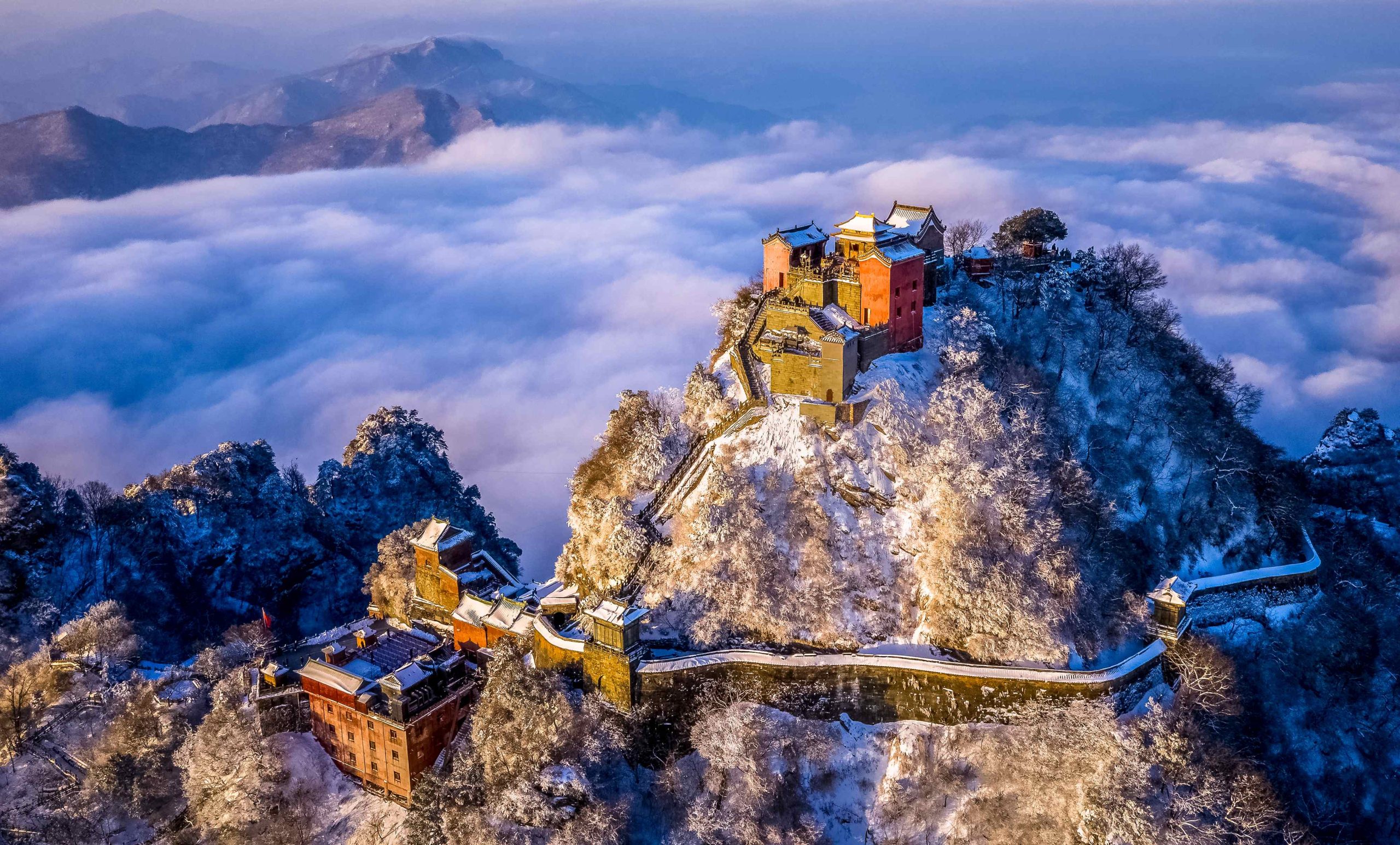
Featured Projects
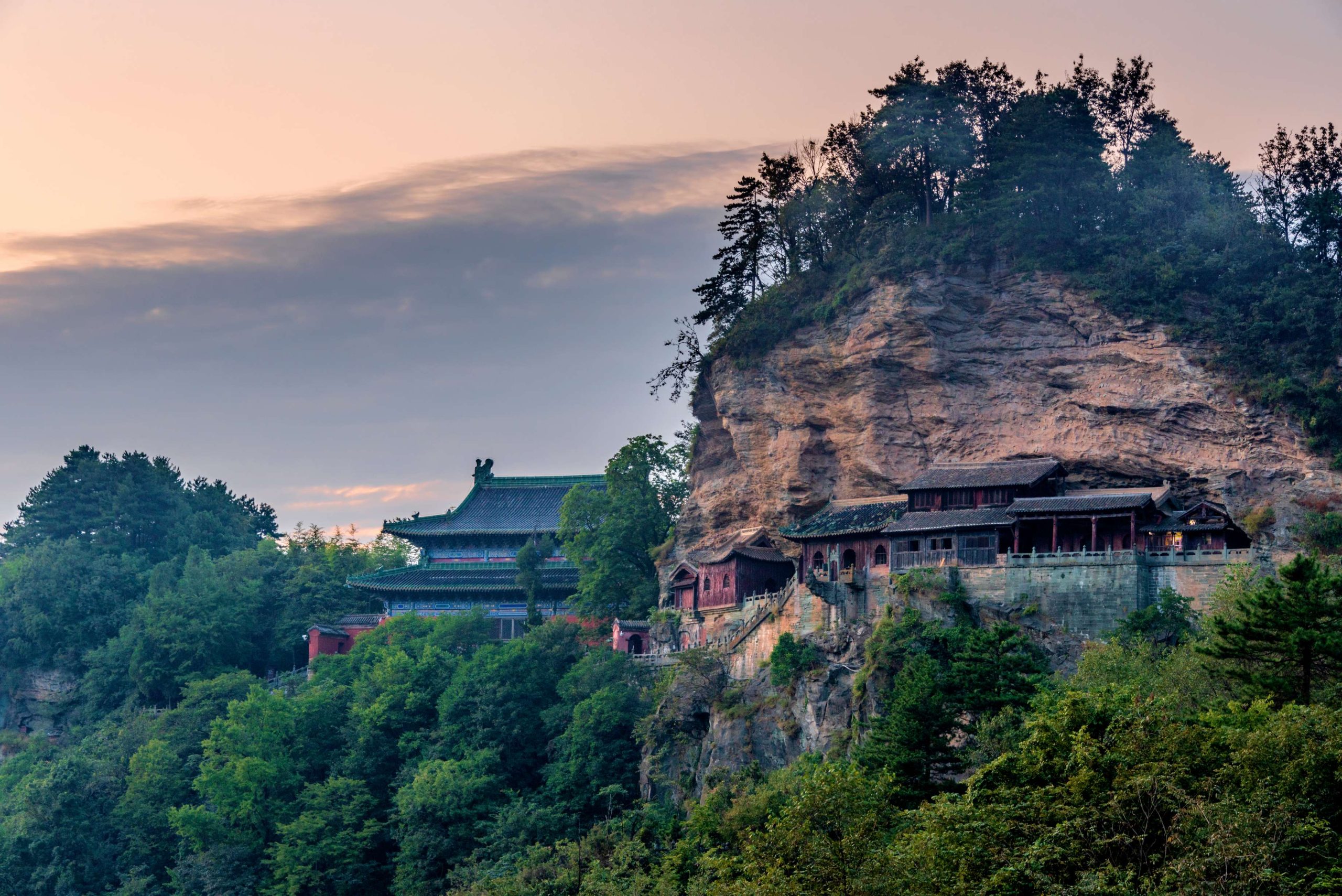
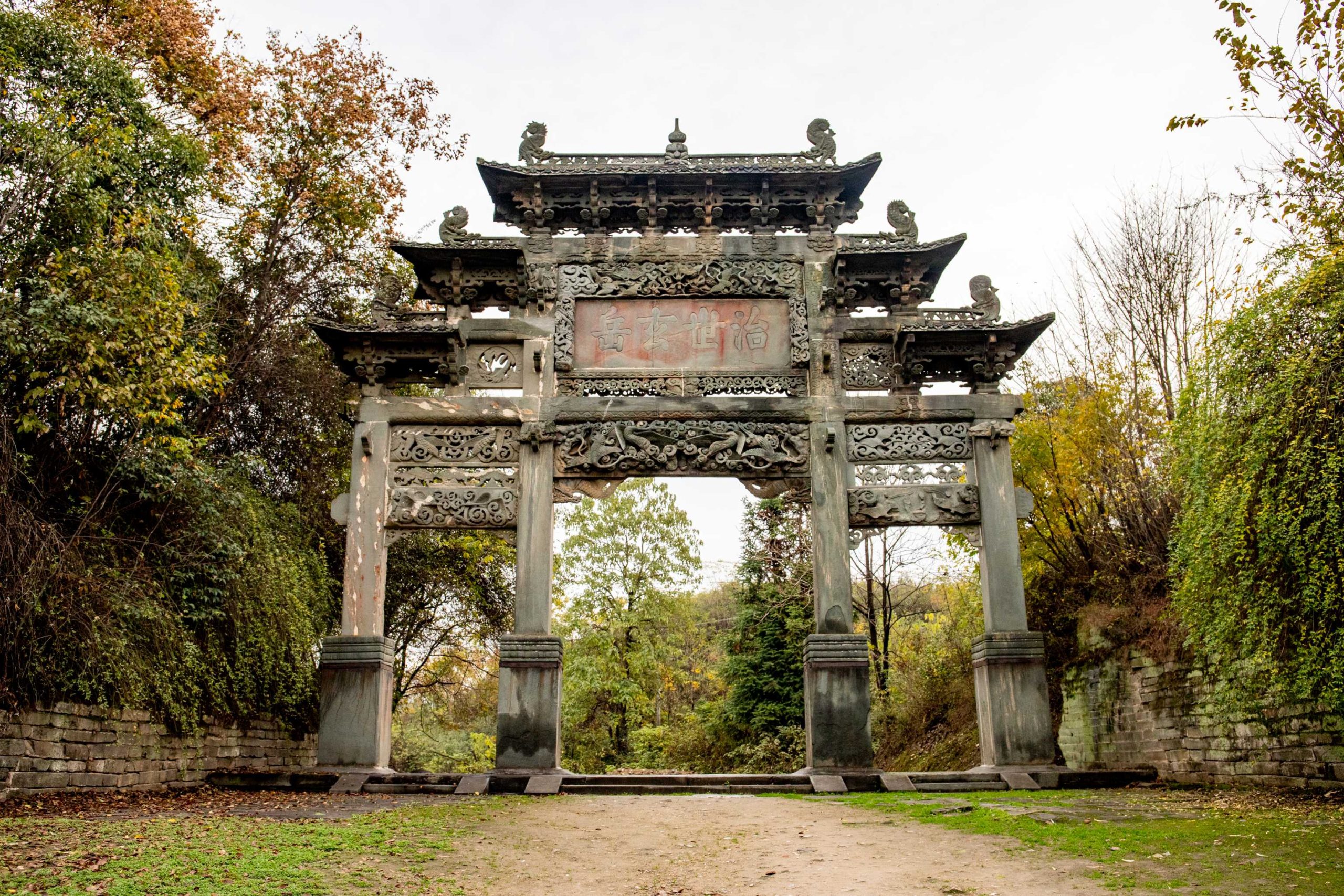
Zhishi-Xuanyue Gateway @玄清 / 图虫创意
Start Your Journey Now
This journey can be customized as a private tour on your preference. Similar tours usually last 5–7 days, but the length can be flexibly adjusted according to your needs.
Tell us what you are interested in, or briefly describe your destination, tentative trip date and length, and number of travelers.
We'll be in touch within 2 business days.
Other Recommendations
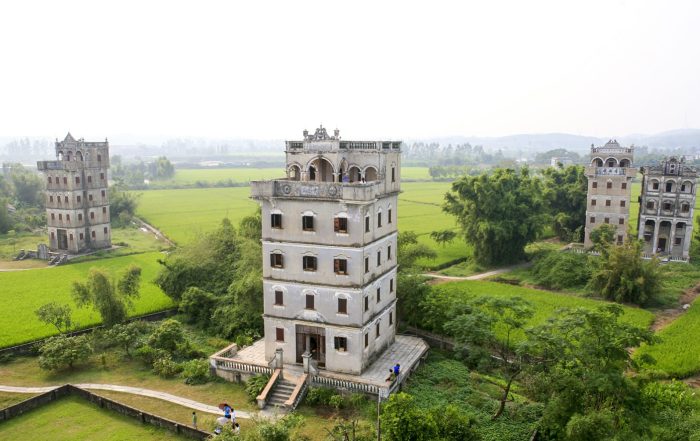
Canton to Cyber City: Architectural Dialogues across the Greater Bay
Guangdong | May 10 - May 15, 2026
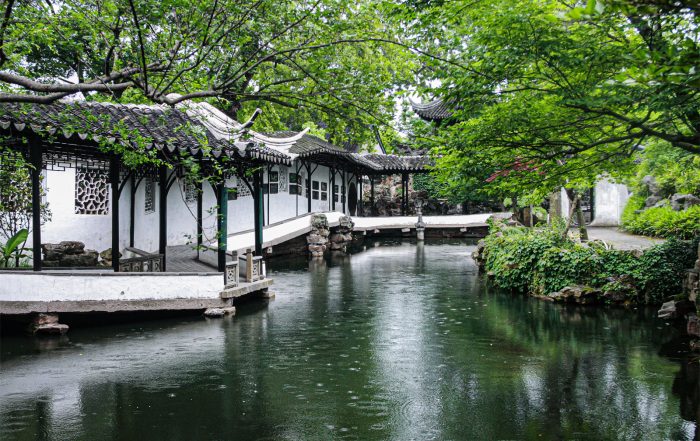
Rus in Urbe: Garden Tours in Suzhou and Hangzhou
Jiangsu, Zhejiang | September 4 - September 8, 2026
Sacred Splendor: China's Medieval Architecture from Its Golden Age
Shanxi, Henan | October 12- October 18, 2026